
Tooth extraction in Dnipro
High level of security
Quick recovery
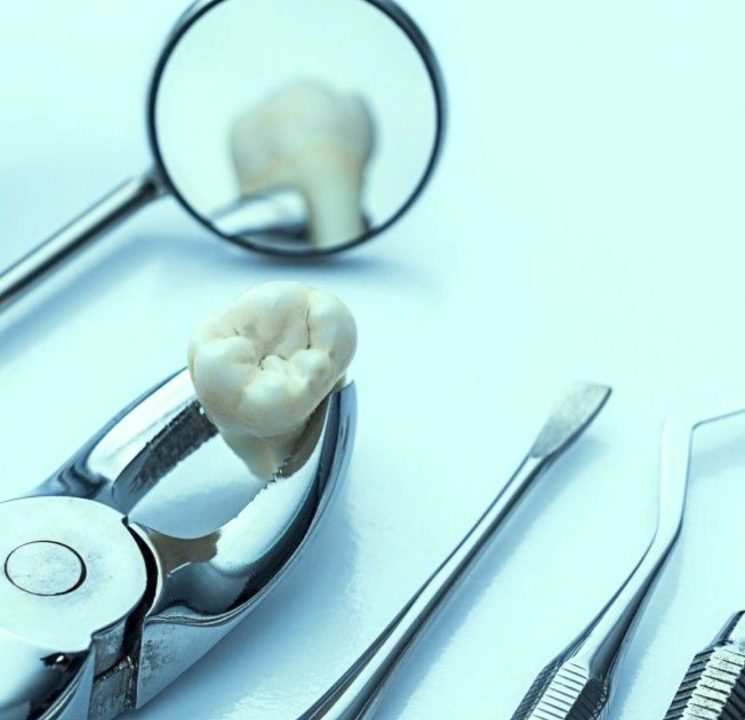
Tooth extraction procedure
The procedure for removing a tooth (or several) is the optimal solution when its treatment is impossible or impractical. We always try to preserve the patient's healthy teeth. However, in some cases, removal is necessary. Main indications:
- Severe tooth destruction.
- Deep caries, complicated pulpitis or periodontitis.
- Fracture of the tooth root.
- Severe loosening of the tooth.
- Cyst or granuloma on/under the tooth root, etc.
The decision on the need for tooth extraction is made by the doctor. To do this, he conducts a comprehensive diagnosis, which may include a survey, visual examination, and hardware examinations.
Tooth extraction: preparation and procedure
A surgical operation can be planned or emergency. An indication for urgent tooth extraction is, for example, severe pain caused by severe inflammation. If the dental surgeon cannot conduct all the necessary examinations, he must clarify the patient’s information about chronic diseases, as well as allergies to medications. During planned preparation, it is recommended:
- Exclusion of alcohol consumption 3-5 days before the procedure. Alcohol affects blood clotting.
- Abstention from smoking immediately before the operation.
- Exclusion of heavy physical exertion and thermal procedures the day before the extraction.
The operation is not recommended to be performed on an empty stomach. Therefore, on the day of its performance, it is worth having breakfast. Based on the results of the medical diagnosis, the doctor may prescribe prophylactic antibacterial or anti-inflammatory drugs to avoid the development of infection in the wound and other complications.
Methods of tooth extraction:
- Using forceps. The optimal method if the tooth is in the field of view and can be securely fixed with forceps. The doctor performs local anesthesia, after which he removes the tooth and processes the socket.
- Using a periotome. The doctor weakens the alveolar ligament with a special instrument (periotome), after which he removes the tooth without using forceps and significant effort.
If the tooth is incorrectly positioned, not completely or not at all erupted, the dental surgeon dissects the gum, removes it and sutures the wound. In the case of large teeth, preliminary dissection into parts using ultrasound may be used. For complex manipulations, they may be performed under medically induced sleep.
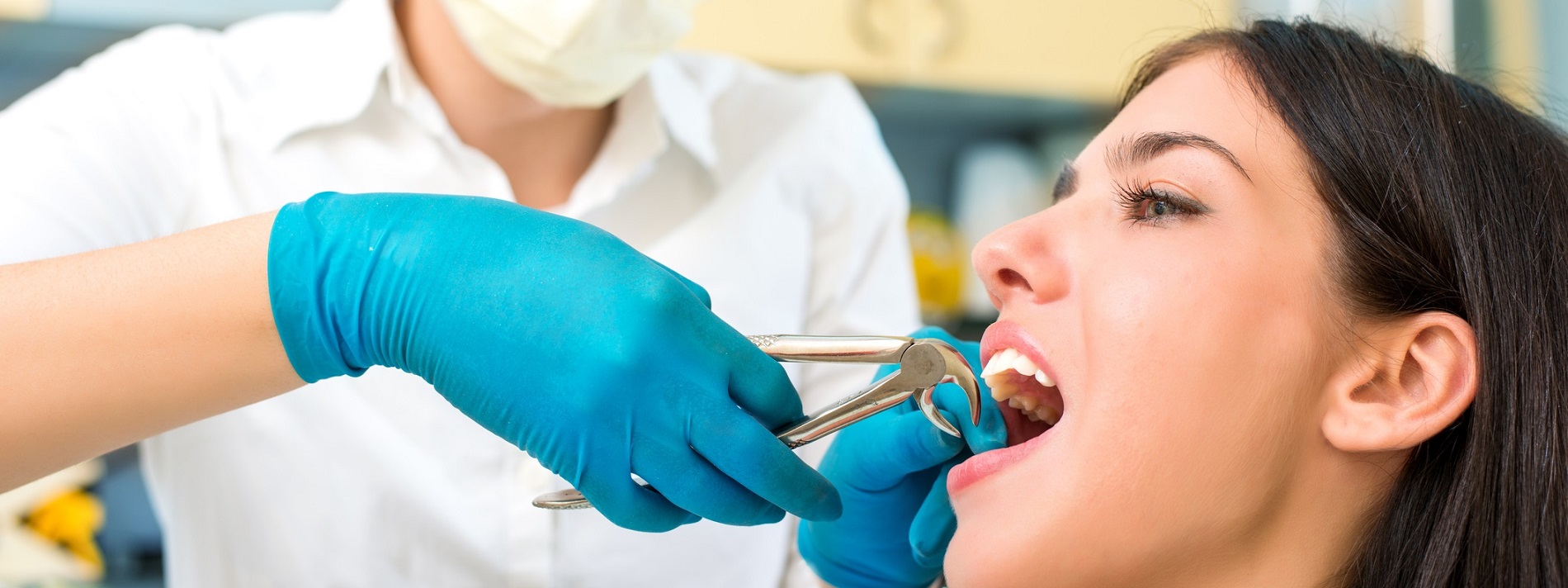
After the procedure
On average, the postoperative period lasts about a week. In the first 3-5 days after tooth extraction, pain, swelling of the gum tissue and a slight increase in temperature in the evening may occur. General recommendations after the procedure:
- Keeping a cotton swab (installed by the dentist) for half an hour – to stop bleeding.
- Applying a cold compress to the cheek – to reduce swelling.
- Abstaining from drinking and eating for 2-3 hours after the operation.
- Do not chew food (especially hard, sharp) on the side of the extracted tooth until the wound heals.
- Abstaining from brushing your teeth for 24 hours after the extraction.
- Temporary refusal of alcohol and smoking.
In addition to general recommendations, the doctor can give individual advice that is relevant specifically for your clinical case. If there is severe bleeding from the socket, throbbing pain, fever, and other complications, consult a doctor for additional examination and consultation.
An anesthetic is used for painless tooth extraction. However, after its effect has worn off, pain may occur. The pain can be sharp or aching, of varying intensity. To relieve it, it is recommended to apply cold compresses during the first few days. Painkillers may also be used as prescribed by a doctor.
Contraindications to tooth extraction
Main restrictions:
- Aggravated infections, inflammation.
- Blood clotting disorders.
- Exacerbation of chronic pathologies.
- Some endocrine and neurological diseases.
- The first and last months of pregnancy.
Each case is individual. Therefore, the decision to treat or remove a tooth is made by a dentist after a medical examination. After the operation is completed, the doctor provides recommendations for care.
The loss of even one upper or lower tooth negatively affects the functionality and aesthetics of the dentition as a whole. That is why we always strive to treat and preserve the patient’s healthy teeth. But if you have to remove it, then to restore the dentition, implants and bridges can be installed. These services are also available in our dental center.
How much does a tooth extraction cost?
The basic prices for services are presented on the website. However, the cost of the procedure in the complex is always calculated individually, as it depends on many factors. First of all, you need to undergo an examination and get a consultation from a dentist. The doctor will report his conclusion and offer a set of services that is relevant specifically for your clinical situation.
To make an appointment with a specialist for a consultation or urgent tooth extraction in Dnipro, write to the online chat on this page of the website or call the HARMONY DENTAL dental clinic without delay!
Price for tooth extraction in Dnipro
| Service | Price |
|---|---|
| Consultation | from 200 UAH |
| Tooth extraction of 1 degree of complexity | from 900 UAH |
| Tooth extraction of 2 degree of complexity | from 1,300 UAH |
| Tooth extraction of 3 degree of complexity | from 2,200 UAH |
| Injection anesthesia | from 200 UAH |
| Application of hemostatic sponge | from 200 UAH |
| Suturing the wound | from 200 UAH |
| X-ray | from 100 UAH |
Our Team
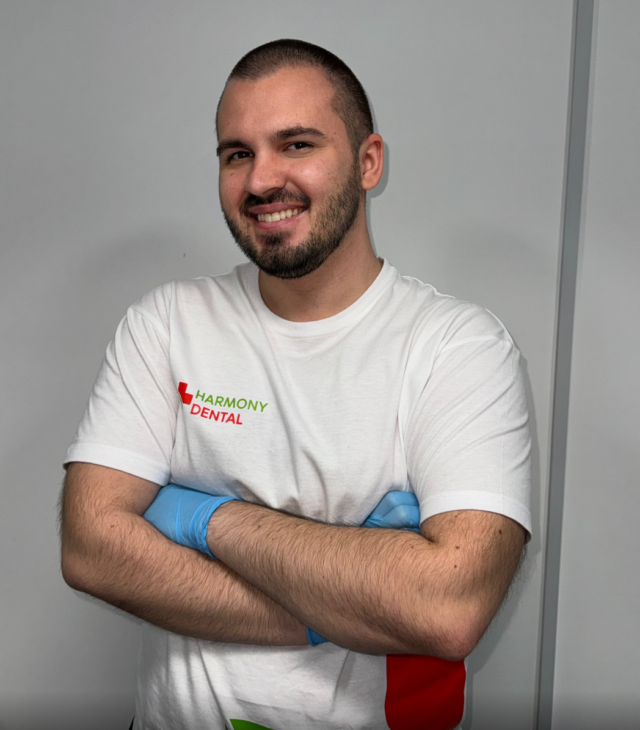
Our Doctors
Reviews from Satisfied Patients
I thank the clinic and personally the wonderful doctor Veronika Igorevna for my healthy, clear and cured teeth. I recommend. A good clinic, state-of-the-art equipment and materials.
Igor Braslavets
I recommend Harmoni Dental, they are professionals who love their job and are attentive. The service is top notch!
Maryna Kolpakova
I came to this clinic on recommendation. I didn’t regret it. Excellent service, prices, location. Many thanks to Veronica! A doctor with great experience, knowledge and a light hand 🙂
Alina Syrko
Good dentistry, administrator Elizaveta is very friendly and will always help with any questions
Oleg Petrushyn
Good dentistry) reasonable prices) excellent staff) were with a child, for an examination; the doctor found an approach to him) without tears and hysterics) we are happy)